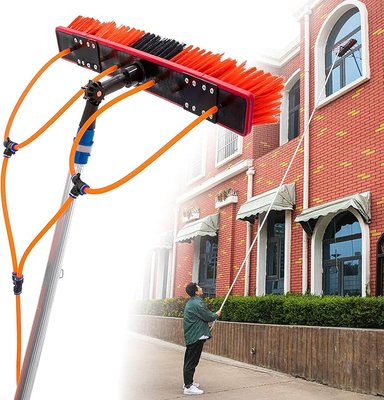
How Clean Solar Panels Can Boost Your Energy Savings
You've made the smart investment in solar panels, but are you getting the maximum return? Many solar panel owners don't realize that dirty panels can significantly reduce energy output—sometimes by 20-30%. Regular professional cleaning is essential to maximize your investment and energy savings.
How Much Does Dirt Affect Solar Panels?
The Numbers Don't Lie
Studies and real-world data show dramatic efficiency losses:
- **Light dust**: 5-10% efficiency loss
- **Moderate soiling**: 15-20% reduction
- **Heavy dirt/bird droppings**: 25-30% decrease
- **Extreme cases**: Up to 50% loss reported
Real-World Example
A typical 4kW residential solar system in the UK:
- **Annual generation** (clean): ~3,400 kWh
- **With 20% loss**: ~2,720 kWh
- **Lost energy**: 680 kWh per year
- **Lost savings**: £150-200 per year (at current rates)
Professional cleaning cost: £60-100
Return on investment: 2-3 times the cleaning cost annually
Why Do Solar Panels Get Dirty?
Several factors contribute to panel soiling:
Natural Elements
- **Dust and pollen** - Especially in spring/summer
- **Bird droppings** - Particularly problematic
- **Fallen leaves** - Accumulate on lower edges
- **Tree sap and organic matter**
- **Industrial pollutants** - In urban areas
- **Salt deposits** - Near coastal regions
UK-Specific Issues
- **Limited rainfall in summer** - Doesn't always wash panels clean
- **Moss and lichen** - In damp, shaded conditions
- **Agricultural dust** - In rural areas
- **Exhaust particles** - Near busy roads
Panel Angle Matters
Lower angle installations (common in UK for optimal winter generation):
- Self-cleaning less effective
- More debris accumulation
- Require more frequent cleaning
How Dirt Reduces Efficiency
Blocking Sunlight
Even a thin layer of dirt:
- Scatters incoming light
- Reduces photon absorption
- Creates uneven generation across panel
Bird Droppings: The Worst Offender
Bird droppings are particularly damaging because:
- **Opaque** - Block sunlight completely
- **Acidic** - Can etch the glass over time
- **Sticky** - Don't wash off with rain
- **Small area, big impact** - A dropping on one cell affects the entire panel string
Hot Spots
Dirty panels can develop "hot spots":
- Blocked cells heat up
- Reduced lifespan
- Potential permanent damage
- Efficiency loss even after cleaning
Doesn't Rain Clean Solar Panels?
A common misconception—rain helps but isn't sufficient.
Why Rain Isn't Enough
Angle Issues
- UK-optimized angles (30-40°) retain more dirt
- Water doesn't sheet off completely
- Debris sticks to edges
Rain Quality
- Carries airborne pollutants
- Can leave mineral deposits
- Often light drizzle (not enough pressure)
Stubborn Substances
- Bird droppings require manual removal
- Pollen becomes sticky when wet
- Tree sap isn't water-soluble
- Lichen and moss need physical removal
After Rain
Panels often look clean but:
- Micro-film of dirt remains
- Water spots from mineral deposits
- Edge accumulation still present
Think of it like your car windows—rain doesn't replace washing.
Benefits of Professional Solar Panel Cleaning
1. Maximum Energy Generation
- Restore full efficiency
- Optimize ROI on your solar investment
- Maximize feed-in tariff earnings (if applicable)
- Reduce grid dependence
2. Extended Panel Lifespan
- Prevent damage from acidic substances
- Avoid hot spot formation
- Maintain warranty compliance
- Protect your 20-25 year investment
3. Early Problem Detection
Professional cleaners can spot:
- Cracked or damaged panels
- Loose mounting
- Seal deterioration
- Wiring issues
- Inverter problems
4. Safety
DIY cleaning risks include:
- Falls from height
- Roof damage
- Panel damage from pressure
- Electrical hazards
- Voided warranties
Professionals have:
- Proper safety equipment
- Roof access training
- Liability insurance
- Experience with solar installations
5. Proper Cleaning Methods
Professional service uses:
- **Deionized water** - No mineral deposits
- **Soft brushes** - No scratching
- **Correct pressure** - Effective but safe
- **Pure water systems** - Spot-free drying
- **Panel-safe cleaning solutions** - When needed
How Often Should Solar Panels Be Cleaned?
General Recommendation
Twice per year is ideal for most UK installations:
- **Spring** (April/May) - After pollen season
- **Autumn** (September/October) - Before winter, after summer dust
More Frequent Cleaning Needed If:
- Near busy roads (exhaust particles)
- Under trees (sap, leaves, bird activity)
- Agricultural area (dust, chaff)
- Coastal location (salt deposits)
- Flat or low-angle installation
- High bird activity area
- Near industrial sites
Less Frequent May Be OK If:
- Steep angle installation (45°+)
- Remote location
- No nearby trees
- Minimal bird activity
- Regular heavy rainfall
Pro tip: Monitor your generation data. A sudden drop without weather changes suggests cleaning is needed.
DIY vs. Professional Cleaning
DIY Cleaning Risks
Safety Hazards
- Working at height
- Slippery when wet
- Electrical risks
- Roof damage
Panel Damage
- Scratches from abrasive materials
- Pressure damage from aggressive cleaning
- Thermal shock from cold water on hot panels
- Seal damage
- Voided warranty
Ineffective Cleaning
- Tap water leaves mineral deposits
- Wrong cleaning products leave residue
- Incomplete dirt removal
- Missed spots reduce efficiency
Professional Advantages
Safety First
- Trained in working at height
- Proper safety equipment
- Insured service
- No risk to you
Effective Cleaning
- Deionized water (no spots)
- Soft, panel-safe brushes
- Experience with solar panels
- Thorough coverage
Value Added
- Visual inspection included
- Early problem detection
- Photo documentation
- Performance advice
- Often costs less than expected
What About Self-Cleaning Panels?
Some panels claim self-cleaning properties:
The Reality
- **Hydrophobic coatings help** but aren't magic
- Still require periodic cleaning
- Coating degrades over time
- Bird droppings still stick
- UK weather isn't optimal for self-cleaning
Even "self-cleaning" panels benefit from professional cleaning.
The Cleaning Process
Our professional solar panel cleaning service:
1. Initial Assessment
- Safety inspection
- Panel condition check
- Generation data review (if available)
- Identify problem areas
2. Preparation
- Safety equipment setup
- Water system preparation
- Area protection
3. Cleaning
- Gentle brushing with deionized water
- Soft bristles safe for all panel types
- Edge and frame cleaning
- Multiple passes for stubborn dirt
4. Rinsing
- Pure water rinse
- Spot-free drying
- Edge detail work
5. Inspection
- Visual check for damage
- Photo documentation
- Report any concerns
6. Post-Clean
- Site cleanup
- Disposal of any debris
- Performance monitoring advice
Maximize Your Solar Investment
Monitor Performance
Keep track of:
- Daily/monthly generation
- Compare to previous periods
- Watch for unexpected drops
- Check inverter displays
Optimal Cleaning Schedule
Create a maintenance calendar:
- Spring cleaning (April/May)
- Autumn cleaning (September/October)
- Additional clean if:
- Generation drops unexpectedly
- After storms
- After building work nearby
- Heavy pollen season
Calculate Your Savings
Before cleaning annual generation: 3,000 kWh
After cleaning (25% improvement): 3,750 kWh
Additional generation: 750 kWh
Value at £0.25/kWh: £187.50
Cleaning cost: £80
Net benefit: £107.50 + years of extended panel life
Common Questions
Q: Will cleaning void my warranty?
A: Professional cleaning won't void warranties. DIY cleaning might if damage occurs.
Q: Can I use a pressure washer?
A: Not recommended. Too much pressure can damage seals and cells.
Q: What about cleaning products?
A: We use pure deionized water, which is sufficient and safe. If needed, panel-safe solutions only.
Q: How long does cleaning take?
A: Typical residential installation (10-15 panels): 1-2 hours including setup and inspection.
Q: Is it worth it for older panels?
A: Absolutely. Older panels benefit even more as they're already less efficient than new ones.
Our Solar Panel Cleaning Service
At Sparkling Windows UK, we offer:
✓ Experienced technicians - Trained in solar panel care
✓ Pure water system - Deionized water for spot-free results
✓ Soft brush technology - Safe for all panel types
✓ Full safety compliance - Insured and equipped
✓ Visual inspection - Identify issues early
✓ Competitive pricing - Excellent value for money
✓ Flexible scheduling - Work around your needs
✓ Local service - Watford and surrounding areas
Conclusion
Clean solar panels are efficient solar panels. With potential energy losses of 20-30% from dirt and debris, professional cleaning is one of the best investments you can make to maximize your solar returns.
For the cost of one or two professional cleanings per year, you'll:
- Maximize energy generation
- Extend panel lifespan
- Ensure warranty compliance
- Achieve better ROI
- Gain peace of mind
Ready to boost your solar efficiency? Contact Sparkling Windows UK today for a free solar panel cleaning quote. Let us help you get the most from your solar investment!